

Night Vision CCTV Camera: What It Is and How It Works
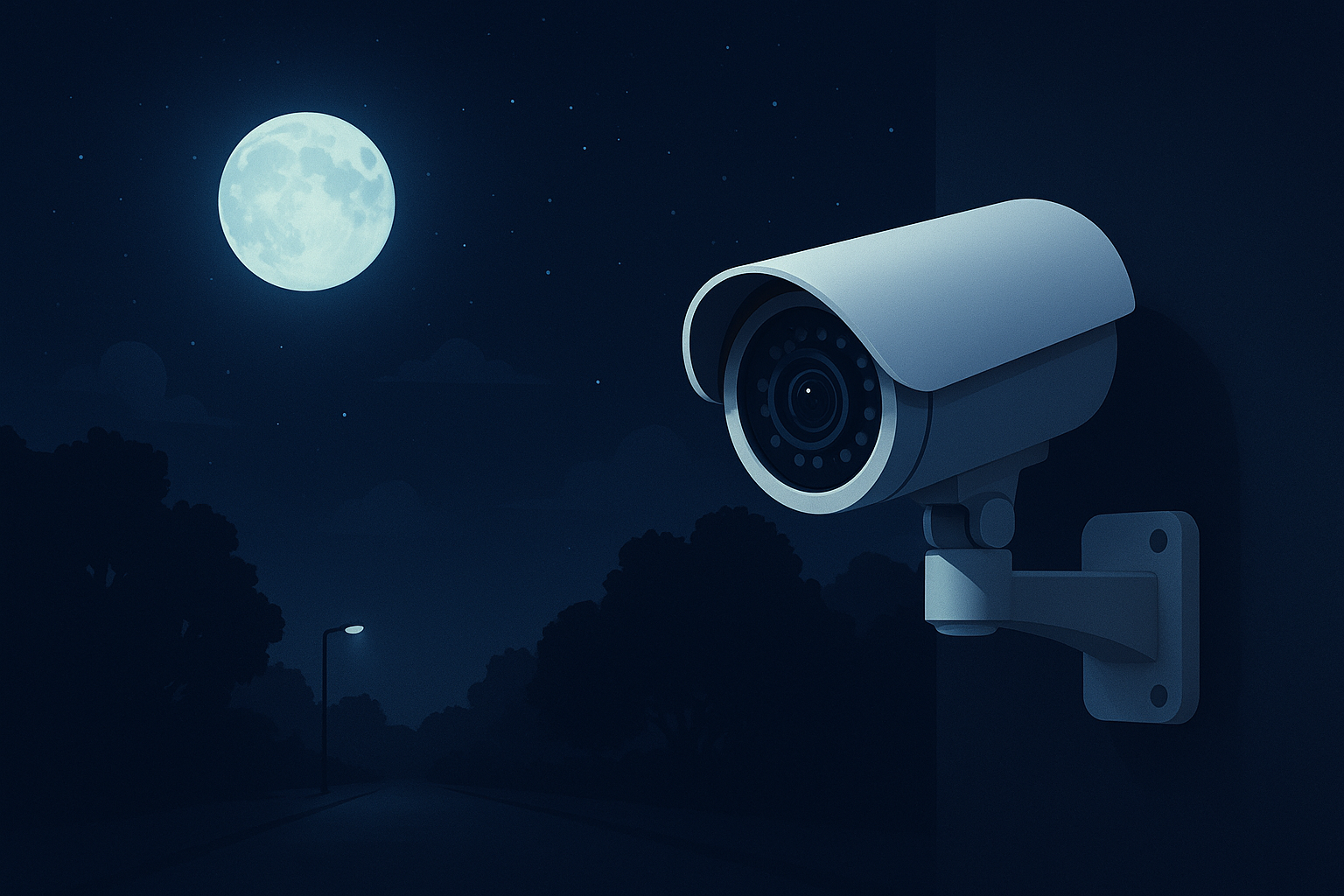
In today’s world, where safety is a top priority for homes and businesses, night vision CCTV cameras have become indispensable. These cameras serve as the eyes of a surveillance system after dark, ensuring round-the-clock monitoring and peace of mind.
This article explores what a night vision CCTV camera is, how it works, the difference between infrared and color night vision, its advantages, disadvantages, and essential buying tips. We’ll also discuss why choosing a brand like diple could be a smart move.
What Is a Night Vision CCTV Camera?
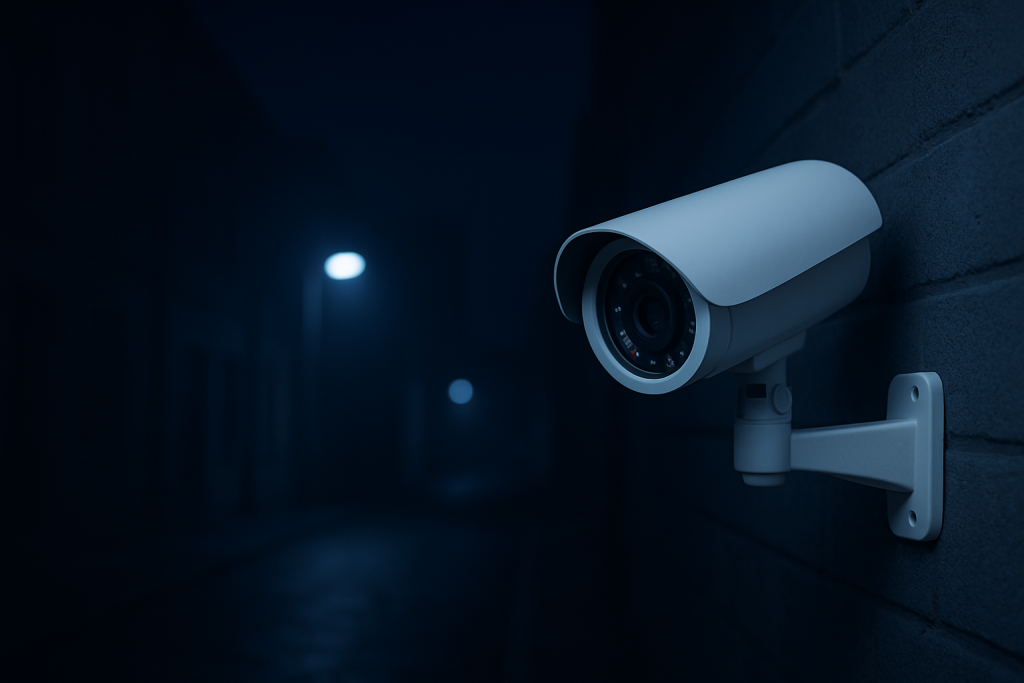
A night vision CCTV camera is designed to capture clear footage even in low-light or no-light environments. While regular cameras depend on visible light, these advanced models use infrared light or specialized sensors to produce usable images in darkness.
There are several types of night vision technologies — infrared (IR), low-light, and color-enhanced options such as ColorVu. Each serves the same purpose: ensuring reliable image capture under poor lighting conditions.
In simple terms, these cameras are your “eyes in the dark,” turning night into day for your security system.
Why Is Night Vision CCTV Important?
If your camera can only record during the day, your property becomes blind at night — precisely when most security breaches occur. Burglaries, vandalism, and unauthorized entries often happen under the cover of darkness.
Reasons night vision is essential:
-
24-hour surveillance: Guarantees continuous protection day and night.
-
Crime deterrence: Criminals are less likely to target areas under active night surveillance.
-
Evidence collection: Night footage can serve as solid proof in investigations.
-
Peace of mind: Residents and business owners feel safer knowing their property is monitored at all times.
In short, a night vision CCTV camera isn’t just an option — it’s a necessity for true security coverage.
How Does a Night Vision CCTV Camera Work?
The working mechanism of a night vision camera combines optics, electronics, and intelligent processing. Here’s how it works step by step:
1. Light-Sensitive Sensor
These cameras feature highly sensitive image sensors (CMOS or CCD) that can detect even minimal light.
2. Infrared (IR) Illumination
The most common method uses infrared LEDs that emit invisible light. While humans can’t see infrared, the camera’s sensor detects it and produces a grayscale (black-and-white) image.
When ambient light drops, the IR LEDs automatically turn on, illuminating the scene without being visible to the naked eye.
3. IR Cut Filter
During the day, an infrared-cut filter blocks IR rays to maintain accurate colors. At night, the filter disengages, allowing the camera to capture infrared light effectively.
4. Image Processing Algorithms
The captured infrared data is enhanced by image-processing software that reduces noise, boosts contrast, and sharpens edges, producing a clearer image even in complete darkness.
5. Hybrid Mode (Visible + IR)
Some cameras combine both visible and infrared light for more balanced images, maintaining some color tones even in dimly lit environments.
This sophisticated interplay between hardware and software allows the camera to “see” in the dark.
Infrared Night Vision vs. Color Night Vision (ColorVu)
There are two main night vision technologies in modern CCTV systems:
Infrared (IR) Cameras:
-
Capture black-and-white images in darkness.
-
Work using infrared LEDs that illuminate the area invisibly.
-
Perform well even in total darkness.
-
May lose color details but preserve sharp outlines.
Color Night Vision (ColorVu) Cameras:
-
Use large-aperture lenses and highly sensitive sensors.
-
Retain natural colors in low-light conditions.
-
May include a soft auxiliary light to maintain color in pitch-black environments.
-
Deliver more realistic, detailed, and visually rich night footage.
In essence, IR cameras excel in total darkness, while ColorVu cameras provide color clarity when minimal light is available.
How Far Can Night Vision Cameras See?
The night vision range determines how far a camera can record clear images in the dark. It depends on several factors:
-
Power of IR LEDs – Stronger LEDs extend range.
-
Lens quality and aperture – Wider apertures allow more light to reach the sensor.
-
Sensor sensitivity – Higher sensitivity detects weaker reflections.
-
Environmental conditions – Fog, dust, or rain can reduce visibility.
-
Field of view – A wide-angle view spreads light over a larger area, reducing effective range.
Typical ranges vary from 10 to 100 meters, but real-world results may differ depending on surroundings and lighting.
Advantages of Using Night Vision Cameras
-
24/7 security coverage
-
Effective deterrence against theft or vandalism
-
Reliable evidence for investigations
-
No need for bright external lighting
-
Enhanced safety perception in residential or business environments
-
Reduced long-term lighting costs
Disadvantages and Limitations
Despite their many benefits, night vision CCTV cameras have certain drawbacks:
-
Black-and-white imagery in IR mode
-
Reduced image detail at longer distances
-
Performance drop in fog, rain, or heavy dust
-
Higher cost for advanced color models
-
Increased power use from IR LEDs
-
Glare or reflection issues on shiny surfaces
Nevertheless, technology improvements continue to minimize these drawbacks year after year.
Key Factors When Choosing a Night Vision CCTV Camera
When selecting the right night vision camera, consider:
-
Night vision range (how many meters you need)
-
Technology type (IR or color-enhanced)
-
Lens aperture and sensor quality
-
Number and power of IR LEDs
-
Field of view and resolution
-
IR cut filter for accurate daytime colors
-
Build quality and weather resistance
-
Power consumption and power source stability
-
Brand reputation, warranty, and after-sales support
-
Smart features like motion detection or remote viewing
Choosing carefully ensures you get the best performance for your security needs.
Night Vision CCTV Camera Price and Key Cost Factors
Prices vary widely based on features and specifications. Here’s what affects the cost:
-
Type of technology (IR vs. color)
-
Night vision range
-
Lens and sensor brand
-
Number of IR LEDs
-
Added features (AI detection, cloud storage, wireless connection, etc.)
-
Build quality and weatherproof design
-
Brand reputation and warranty duration
In general, basic IR cameras are affordable, while advanced ColorVu or AI-powered models cost more but offer superior performance and reliability.
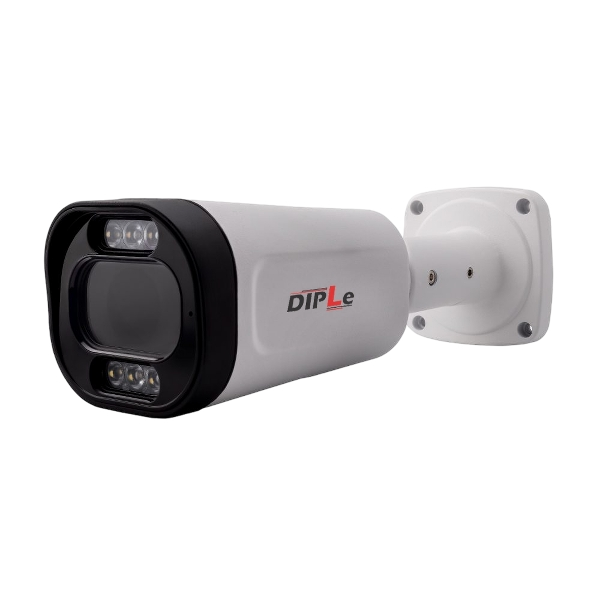
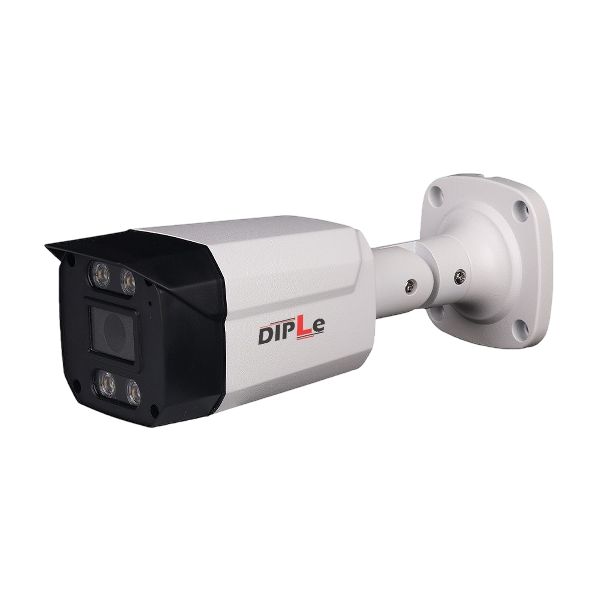
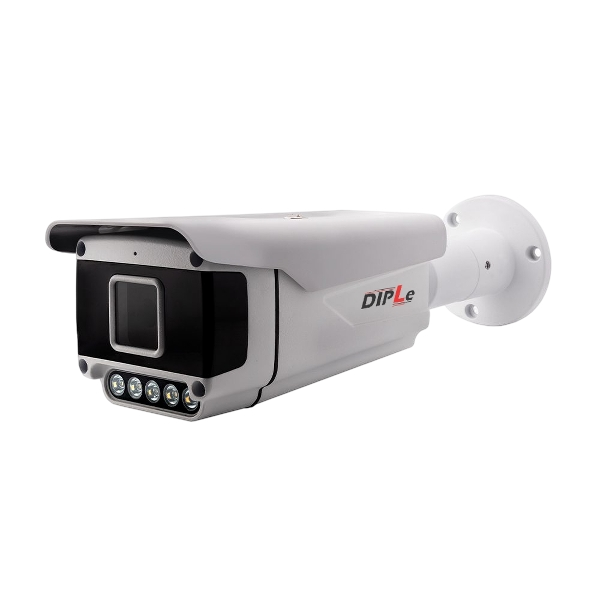
Why Choose diple Night Vision Cameras?
The Diple brand is recognized for balancing affordability and performance. Reasons to choose Diple include:
-
High-sensitivity sensors for clearer images
-
Strong infrared illumination and optimized lens design
-
Color-enhanced technology options
-
Smart image processing algorithms
-
Durable build suited for outdoor conditions
-
Reliable warranty and technical support
-
Competitive pricing with professional-grade performance
If you want lasting security with efficient night monitoring, Diple cameras are a strong candidate.
Conclusion and Final Recommendations
A night vision CCTV camera ensures that your security doesn’t sleep when the sun goes down. Understanding how it works and what features matter helps you invest wisely.
To summarize:
-
Choose your night vision range based on your property size.
-
Decide whether you need color or infrared-only recording.
-
Always prioritize lens quality, sensor sensitivity, and warranty coverage.
With the right night vision CCTV camera, you gain peace of mind — day and night.
FAQs
What is the difference between infrared and color night vision?
Infrared cameras record black-and-white footage, while color night vision cameras preserve colors under low-light conditions.
Can night vision cameras work in total darkness?
Yes. Infrared models can capture clear images even in pitch-black environments.
Do night vision cameras need external lighting?
No, IR models have built-in LEDs, though color cameras may use small auxiliary lights.
What is the ideal night vision range for home security?
For most homes, 20–30 meters is sufficient; larger areas may need 50–100 meters.
Are night vision cameras expensive?
Prices vary, but high-quality models are now more affordable thanks to better sensor technology.
Can night vision cameras be used outdoors?
Yes, as long as the camera is weatherproof (rated IP66 or higher).